- Legal Education and Access Portal

Basant 2026: Culture Revived or Risk Repeated?
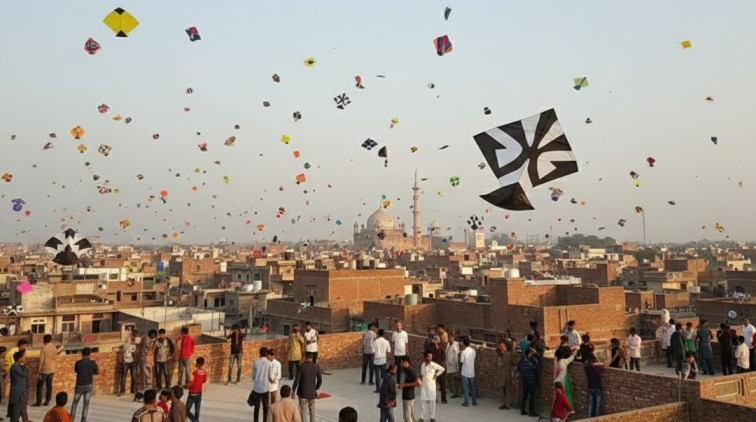
Basant is a springtime Punjabi festival primarily associated with flying kites. It was banned for 19 years and was recently celebrated on 6, 7, and 8 February 2026. This festival has generated significant cultural debate. In this opinion piece, I will discuss whether it was the right decision to allow Basant to take place, considering past safety concerns. If yes, what strict regulations were implemented and whether the citizens of Punjab complied with them; if not, how does the ban risk cultural loss?
A little background explains why Basant was banned. There were many reasons that compelled the government to impose the ban. The Punjab Prohibition of Kite Flying Ordinance 2001 was enacted because of serious injuries and deaths caused by metallic and chemically coated strings. According to section 3 of the Punjab Prohibition of Kite Flying Ordinance 2001, “No person shall manufacture, sell, purchase, transport or fly kites or use string for kite flying.” This provision imposed a complete ban on kite flying in the interest of public safety, due to deaths and injuries caused by metallic and chemically coated strings. The last time Basant legally took place before 2026 was on 27 February 2007. The Supreme Court and the High Court observed that the festival caused fatal injuries to motorcyclists, harm to birds, incidents of throat-cutting due to sheesha-coated string and chemical manjha, aerial firing in celebration, and several deaths. This demonstrates why the festival of Basant became a serious legal and public safety issue.
In this section, I will discuss why Basant should have been allowed to take place. The festival of Basant is deeply embedded in Punjabi culture. It brings happiness and unity among people. Basant is a significant element of intangible cultural heritage. Festivals play a crucial role in shaping collective identity. In Lahore, Basant became intertwined with the city’s historical character, rooftop culture, music, food, and communal interaction. Cultural traditions cannot easily be revived once discontinued; when they disappear, a society loses part of its historical continuity. Nations across the world actively preserve their seasonal festivals because they reinforce shared memory and civic pride. For Punjab, Basant served as a reminder of pluralistic cultural roots that predate modern political boundaries. Preserving Basant therefore contributes to cultural confidence and intergenerational continuity.
Kite makers, vendors, and craftsmen also benefit economically. Basant provides a significant opportunity to earn profits that may support them until the next season, as Basant typically lasts only three days. Before 2001, Basant was celebrated annually in spring, mostly in February, similar to its celebration on 6, 7, and 8 February 2026 after nearly two decades. Basant, particularly in Lahore, also attracts tourists from different cities, boosting tourism, generating seasonal employment, supporting small-scale craftsmen, and strengthening the local economy.
I acknowledge the common challenges of Basant, particularly regarding the illegal use of manjha. People have the right to celebrate, but Basant must be celebrated under proper regulation. Citizens should not be deprived of cultural traditions when safer alternatives exist. During Basant 2026, certain regulations were introduced. For example, “pinna” replaced the traditional manjha. Pinna was a cotton thread consisting of multiple layers and was weaker than illegal sheesha-coated or chemically treated string. Some citizens complained that the pinna was too weak and could not effectively cut kites during “pecha,” a competitive practice in which two participants cross their strings and attempt to cut each other’s kite. However, the essence of Basant is not merely about cutting kites with strong string. Kite flying can be enjoyed with legal thread, and “pecha” is not necessary for celebration.
Under the Constitution of Pakistan, peaceful celebrations form part of social life. A complete prohibition may be disproportionate where regulation can achieve safety without suppressing tradition. Basant’s prohibition was justified on safety grounds, particularly due to the use of hazardous metallic or chemically coated kite strings (often referred to as “dore”) that caused injuries and fatalities. These concerns are serious and cannot be dismissed. However, prohibition is not the only regulatory response available to the state. Many countries manage potentially risky cultural activities through strict safety frameworks rather than outright bans. For instance, fireworks festivals are regulated with licensing, restricted zones, and product standards rather than abolished entirely. Similarly, Basant can be subject to enforceable manufacturing standards, criminal penalties for prohibited materials, designated kite-flying zones, and time-bound permissions.
However, there are challenges. Historically, Basant led to significant law and order concerns. During peak celebrations, indiscriminate aerial firing, unsafe rooftop gatherings, overcrowding, and violations of public safety regulations were reported. Law enforcement agencies faced difficulty maintaining order in densely populated urban areas. The strain on police and emergency services was considerable. In a country where law enforcement resources are limited, allocating large-scale security arrangements for a single festival may raise governance concerns, particularly when the event has a documented history of disorder.
Despite past bans, illegal strings continued to be used, resulting in reported deaths and injuries. In 2026, pinna with QR codes was introduced to regulate safe kite flying. However, the cost of regulated string was reportedly high, which encouraged some individuals to resort to cheaper, illegal chemical or metallic strings. Kites were also expensive, and shortages were reported. For example, a one-tawa kite reportedly cost around Rs 300 in Lahore, while similar kites in markets such as Peshawar and Haripur were significantly cheaper. This raised concerns about profiteering and accessibility, as many people were unable to participate due to high prices.
There were also concerns about enforcement and effective implementation. The state has a constitutional duty to protect life. Allowing Basant without effective enforcement of safety regulations risks undermining public confidence in state authority. If the government bans an activity due to clear safety risks and later reintroduces it without consistent enforcement, it may appear inconsistent or politically motivated rather than principled. Stability in legal policy is essential to maintaining trust in governance.
Before concluding, I will discuss measures that can ensure a safer Basant. First, designated kite-flying zones should be established in less densely populated areas, away from electricity wires and main roads. Second, strict licensing should be enforced for manufacturers, sellers, and traders of kite string and kites. Third, strong penalties should be imposed for the use of illegal chemical or metallic strings. Under the Punjab Kite Flying Act 2025 and orders issued under section 144 of the Criminal Procedure Code, the use or sale of prohibited string is a punishable offence, with imprisonment and fines prescribed by law.
In conclusion, permitting Basant reflects a delicate balance between cultural heritage and public safety. The festival embodies Punjab’s rich traditions, but past fatalities cannot be ignored. Stricter safety measures can mitigate risks, but responsibility ultimately lies with both authorities and participants. By enforcing regulations, raising awareness, and ensuring emergency preparedness, Basant can continue as a celebration rather than a hazard. In this light, the government’s decision can be justified, provided that tradition is preserved responsibly, with the protection of life as the highest priority.
Bibliography
Punjab Prohibition of Kite Flying Ordinance 2001
Punjab Kite Flying Act 2025
Punjab Regulation of Kite Flying Ordinance 2025
Criminal Procedure Code 1898, s 144
The opinions expressed in this article are the author's own and do not reflect the views of LEAP Pakistan or Pakistan College of Law.