- Legal Education and Access Portal

Menstrual Health and the Right to Education in Pakistan
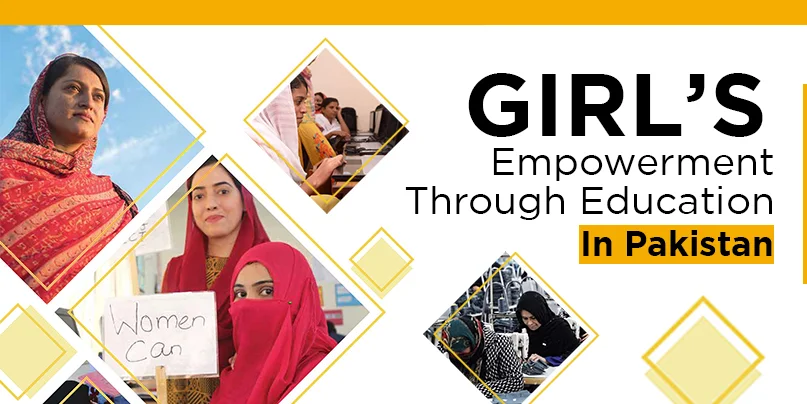
Menstrual health impacts access to education, equality, dignity, sanitation and participation in school life. Existing Sindh law establishes a framework for children’s right to free and compulsory education, but does not appear to establish a comprehensive statutory framework for menstrual products, menstrual health education, suitable sanitation, safe menstrual waste disposal, staff training and confidential complaints in public schools.
Pakistan’s Constitution provides an important legal foundation for examining this issue. Article 25 establishes equality before law and equal protection of law, prohibits discrimination on the basis of sex and permits special provisions for the protection of women and children. Article 25-A requires the State to provide free and compulsory education to children between five and sixteen years of age in such manner as determined by law. These provisions do not expressly create a right to free menstrual products. They do establish a constitutional context for examining practical barriers to equal participation in education.
Research from Sindh identifies gaps in menstrual health resources and school facilities. A 2024 study of 310 adolescent girls in two public schools in Khairpur found differences between urban and rural students in menstrual health knowledge and practices. Research involving public schools in Hyderabad also reported limited menstrual health resources, inconsistent policies, insufficient training and inadequate water, sanitation and hygiene facilities.
This article examines whether existing legal frameworks adequately address menstrual health barriers affecting female students. It proposes a legal framework for Sindh public schools based on minimum standards for menstrual products, sanitation, education, staff training, waste management, complaints and monitoring.
Introduction
Menstruation is a normal biological process experienced by a large proportion of students during their school years. School systems therefore need conditions that allow students to manage menstruation safely and privately while continuing their education.
In Pakistan, research has examined menstrual health through health, cultural and educational perspectives. The legal responsibilities of public schools receive less specific attention. The legal question is very important because a student’s ability to attend school depends on more than formal admission. A student also needs practical conditions for attendance and participation. During menstruation, those conditions include access to suitable menstrual products, water, sanitation, privacy and safe disposal facilities.
Pakistan’s constitutional framework provides a point for this discussion.
Article 25(1) of the Constitution of the Islamic Republic of Pakistan provides that all citizens are equal before law and entitled to equal protection of law. Article 25(2) provides that there shall be no discrimination on the basis of sex. Article 25(3) permits the State to make special provisions for the protection of women and children. Article 25-A requires the State to provide free and compulsory education to children between five and sixteen years of age in such manner as determined by law.
These provisions do not expressly establish free menstrual products as a constitutional right. A stronger legal argument is more specific. The Constitution establishes equality and education protections. Ordinary legislation and regulations determine how those protections operate within public institutions. Sindh already has legislation concerning the right to education. The Sindh Right of Children to Free and Compulsory Education Act, 2013 establishes duties concerning education, schools, attendance and government responsibilities. The Act defines “school” broadly and includes schools established or controlled by the Government or a local authority, as well as certain schools receiving government aid or grants. Now, does the existing legal framework adequately address menstrual health barriers that affect girls’ access to and participation in education? Research from Sindh provides evidence for examining this question.
A 2024 cross-sectional study examined menstrual hygiene knowledge and practices among 310 adolescent girls aged 10 to 18 attending two public schools in Khairpur District. One school was located in an urban area and one in a rural area. The researchers used questionnaires to examine menstrual knowledge, information sources and hygiene practices. The study found substantial differences between the urban and rural groups. About two thirds of the students reported inadequate school resources and toilet facilities for menstrual hygiene. The reported figure for inadequate resources and disposal facilities was 75.5 percent among rural participants and 61.6 percent among urban participants.
The study also identified differences in menstrual health knowledge and practices. About two thirds of urban participants met the study’s threshold for satisfactory knowledge, compared with about 38 percent of rural participants. Good menstrual hygiene practices were reported by about 71 percent of urban participants and 12 percent of rural participants. The research also found limited school-based preparation before menstruation. Fewer than one third of participants reported receiving formal information at school before their first period. These findings need to be interpreted carefully. The study involved two public schools in one district. The findings therefore do not represent every school in Sindh. They do provide documented evidence of menstrual health barriers within part of the province’s public education system.
Research from Hyderabad identifies similar concerns. A 2023 study examined menstrual hygiene management facilities in public schools within the Hyderabad Directorate of Education in Sindh. Researchers surveyed teachers and school leaders regarding resources, policies and curriculum. The study received 106 responses from 300 questionnaires. The findings indicated low levels of menstrual hygiene management resources and policies. Respondents also identified needs for better sanitation facilities, menstrual products, training and menstrual health education. The study also reported a need for better school-based menstrual health education. The researchers recommended stronger menstrual health education and improvements to water, sanitation and hygiene facilities.
Evidence from other parts of Pakistan supports the need for a broader policy response. A 2019 qualitative study examined menstrual hygiene management among 312 girls aged 16 to 19 across rural and urban sites in three provinces. Researchers also observed seven school water, sanitation and hygiene facilities and conducted 42 key informant interviews. The study found poorly maintained and gender-insensitive facilities, disposal problems and social practices associated with interrupted classroom engagement and attendance.
A 2022 study involving 25,305 adolescent girls and young women aged 15 to 23 in rural Pakistan found inappropriate menstrual hygiene management practices among 75 percent of participants. The study also identified socioeconomic and educational differences in menstrual hygiene practices and recommended access to affordable menstrual materials and menstrual health education. These studies do not establish one uniform experience for all Pakistani girls. They do establish a consistent research basis for examining menstrual health as an education policy and legal issue.
Menstrual Health and Educational Participation
Free education requires a lot more than formal access to a school. A student who receives admission but lacks basic conditions for managing menstruation faces a practical barrier to participation. The barrier might involve the absence of menstrual products, inadequate toilets, lack of water, lack of privacy or the absence of safe disposal facilities. A 2022 article in The Lancet Regional Health Southeast Asia examined menstrual-related absenteeism among Pakistani school and university girls and described menstrual absenteeism as an education concern. The relationship between menstrual health and education therefore deserves attention within education law.
The legal issue does not require menstruation to be treated as a special medical condition, a school system could instead establish minimum standards for student welfare and educational access. Those standards should address:
- Access to menstrual products.
- Clean and functioning toilets.
- Access to water.
- Soap or suitable hand-cleaning facilities.
- Reasonable privacy for changing menstrual products.
- Safe and appropriate disposal facilities.
- Age-appropriate menstrual health education.
- Basic training for relevant school staff.
- A confidential process for complaints.
- Regular monitoring of compliance.
Pakistan’s Constitutional Framework
Article 25 provides the strongest constitutional starting point for this discussion. Article 25(1) establishes equality before law and equal protection of law. Article 25(2) prohibits discrimination on the basis of sex. Article 25(3) permits special provisions for the protection of women and children. Article 25-A establishes a separate constitutional education obligation. The State must provide free and compulsory education to children aged five to sixteen in such manner as determined by law. (Pakistan Code)
These provisions should not be interpreted as an express constitutional guarantee of free menstrual products. The Constitution does not contain such language. Article 25-A leaves the manner of providing education to legislation. This gives ordinary law an important role in defining the institutional conditions under which children receive education. Article 25 also permits special provisions for women and children. A provincial education framework addressing menstrual health therefore deserves consideration within the constitutional structure.
Pakistan has also ratified the Convention on the Elimination of All Forms of Discrimination against Women. Pakistan ratified CEDAW on 12 March 1996. UN treaty records also identify Pakistan’s constitutional commitments concerning equality and education. International obligations do not replace domestic legislation. They provide an additional context for interpreting questions concerning discrimination, education and women’s participation.
Sindh’s Existing Education Law
The Sindh Right of Children to Free and Compulsory Education Act, 2013 provides an existing statutory framework for education in Sindh. The Act defines schools broadly and includes schools established or controlled by the Government or a local authority. It also addresses government and local authority responsibilities and financial responsibilities for implementation. Section 7 of the Act addresses government and local authority financial responsibilities. The Act requires government and local authorities to provide funds for carrying out its provisions while taking available funds into account. The Act also requires preparation of estimates for capital and recurring expenditure.
A new legal framework should not assume that funding exists outside the established public finance system. A legislative proposal should identify responsible authorities and establish funding arrangements consistent with applicable budgetary and appropriation requirements. The existing education law also raises an important legislative question. Should menstrual health requirements be added to the existing education framework, or should Sindh adopt a separate statute?
An amendment approach would integrate menstrual health into existing education law. A separate statute would provide a dedicated framework and could identify specific duties concerning products, sanitation, education, staff training, disposal and complaints. The available sources reviewed for this article establish constitutional equality and education protections and identify a statutory education framework in Sindh. The research also documents menstrual health problems in parts of the province’s public school system.
The existing education framework does not appear to establish a comprehensive statutory set of requirements specifically addressing menstrual products, menstrual health education, menstrual waste disposal, staff training and confidential menstrual health complaints. This does not mean that existing law provides no protection, general education, equality, child protection and public administration laws still apply. The issue is whether those general protections provide sufficiently clear duties for menstrual health management inside schools.
Minimum Legal Standards for Public Schools
First, schools should provide menstrual products to students who need them. Access should not depend on a student’s ability to pay. Second, schools should maintain clean and functioning toilets with reasonable privacy. Third, schools should provide water and suitable hand-cleaning facilities. Fourth, schools should establish safe disposal systems for used menstrual products. Disposal arrangements should reflect the products used by students and the infrastructure available at the school.
Fifth, schools should provide age-appropriate and scientifically accurate menstrual health education. Sixth, relevant school staff should receive basic training. Training should address privacy, respectful assistance, confidentiality and referral where a student requires professional health support. Seventh, each school should maintain a menstrual health management plan. The plan should identify responsible staff, product supply arrangements, sanitation requirements, disposal procedures and complaint mechanisms. Eighth, students should have access to a confidential complaint process. Ninth, the responsible education authority should conduct regular monitoring. Tenth, the responsible authority should publish periodic information about implementation and identified gaps. These requirements would give schools identifiable duties and give education authorities measurable standards.
Funding and Procurement
Menstrual products, sanitation improvements, disposal systems, staff training and monitoring all involve public expenditure. Any legislative proposal should therefore address funding through existing budgetary and appropriation procedures. The Sindh Right of Children to Free and Compulsory Education Act, 2013 already contains provisions concerning government funding and expenditure estimates. A menstrual health framework should operate consistently with this broader financial structure. Public authorities should use transparent procurement procedures when purchasing menstrual products, sanitation supplies and related equipment. Product selection should consider quality, safety, suitability and value for public funds. Implementation could begin with an assessment of existing school facilities. The education department could collect information on:
- Number of female students.
- Existing toilet facilities.
- Water availability.
- Menstrual product availability.
- Disposal facilities.
- Existing menstrual health education.
- Staff training.
- Existing complaint mechanisms.
- Annual expenditure.
- Compliance with minimum standards.
Such information would help determine the financial and administrative requirements of a province-wide framework. A provincial framework should identify the authority responsible for implementation. School administrations should have specific duties. District and provincial education authorities should have monitoring responsibilities. A complaint mechanism should protect student privacy. Complaints involving school facilities or staff should receive a defined response within a reasonable period. Students should not face retaliation for raising concerns. Monitoring should also distinguish between the existence of a policy and actual implementation, a school might have a written menstrual health policy but lack menstrual products or functioning toilets. A monitoring system should therefore examine practical conditions.
Annual reporting could include the number of schools meeting each minimum standard, identified infrastructure gaps, expenditure and corrective measures. Before a bill or amendment is introduced, legal experts and policymakers should examine several questions.
- Does the proposed framework fall within the legislative competence of Sindh?
- Should the proposal amend existing education legislation or operate through a separate statute?
- Which provincial department should have primary responsibility?
- What role should local authorities have?
- What funding mechanism should apply?
- Which procurement rules govern the purchase of menstrual products and sanitation supplies?
- What product quality and safety standards should apply?
- What privacy and confidentiality protections should apply to students?
- What complaint and review procedures should exist?
- What inspection and monitoring powers should the responsible authorities receive?
- How should the proposed framework interact with existing education, health, sanitation and child protection laws?
- Which rules, regulations or administrative guidelines would be required after legislation?
These questions require professional legal review. They also demonstrate why menstrual health should be considered within the broader structure of education law rather than treated only as a health campaign.
Conclusion
Research from Sindh provides evidence of gaps in menstrual health resources, school sanitation, education and menstrual hygiene practices. The Khairpur study involved 310 girls from two public schools and identified substantial differences between urban and rural participants. The Hyderabad study identified weaknesses in menstrual health resources and school policies among participating teachers and school leaders. Research from other parts of Pakistan also links inadequate school facilities and menstrual management practices with interrupted classroom participation and educational barriers.
Pakistan’s Constitution establishes equality before law, prohibits discrimination on the basis of sex, permits special provisions for women and children, and establishes free and compulsory education for children aged five to sixteen. Sindh already has statutory legislation concerning children’s right to free and compulsory education. The existing framework also addresses government responsibilities and public funding for education. The legal issue is therefore not whether menstruation itself creates a separate constitutional right to free products. The more precise question is whether existing education law provides sufficient practical protection for girls who need menstrual health support to attend and participate in school.
A Sindh framework could establish very clear standards for menstrual products, sanitation, water, privacy, education, staff training, waste disposal, complaints, funding as well as monitoring. Such a framework would translate broad constitutional and educational principles into specific duties within all schools. The next step should be legal review of the proposed framework against existing Sindh education legislation, provincial legislative competence, public finance law, procurement rules and related child and women’s rights legislation.
Bibliography:
- Constitution of the Islamic Republic of Pakistan, arts. 25, 25-A. Pakistan Code. (Pakistan Code)
- Sindh Right of Children to Free and Compulsory Education Act, 2013, Sindh Act No. XIV of 2013, Government of Sindh. (Sindh Laws)
- Government of Sindh, Law, Parliamentary Affairs & Criminal Prosecution Department, Sindh Right of Children to Free and Compulsory Education Act, 2013. (Sindh Laws)
- Amina Aziz, Salma Memon, Farhana Aziz, Farzana Memon, Bakhtawar M. Hanif Khowaja A Comparative Study of the Knowledge and Practices Related to Menstrual Hygiene Among Adolescent Girls in Urban and Rural Areas of Sindh, Pakistan: A Cross-Sectional Study, Women’s Health, Vol. 20, 2024. (PubMed)
- Alexandria Alisa Proff & Surhan Fatima, Becoming Women: Period. Perceptions of Barriers and Facilitators to Menstrual Hygiene Management Programs for Pakistani Girls, Frontiers in Public Health, Vol. 11, 2023. (PMC)
- Zubia Mumtaz, Priatharsini Sivananthajothy, Afshan Bhatti & Marni Sommer, “How Can We Leave the Traditions of Our Baab Daada”: Socio-Cultural Structures and Values Driving Menstrual Hygiene Management Challenges in Schools in Pakistan, Journal of Adolescence, Vol. 76, pp. 152-161, 2019. (PubMed)
- Yaqub Wasan et al., Practices and Predictors of Menstrual Hygiene Management Material Use Among Adolescent and Young Women in Rural Pakistan: A Cross-Sectional Assessment, Journal of Global Health, Vol. 12, 04059, 2022. (PMC)
- Syeda Tayyaba Rehan, Hassan Ul Hussain & Mohammad Mehedi Hasan, Serious Absenteeism Amongst Pakistani School and University Girls During Menstruation: Is This a Neglected Threat to Already Deteriorating Girls’ Education in the Country?, The Lancet Regional Health Southeast Asia, Vol. 7, 100072, 2022. (PMC)
- Convention on the Elimination of All Forms of Discrimination Against Women, United Nations, Pakistan treaty status. (TB Internet)
- Committee on the Elimination of Discrimination Against Women, List of Issues and Questions in Relation to the Sixth Periodic Report of Pakistan, United Nations. (TB Internet)
- Committee on the Elimination of Discrimination Against Women, Concluding Observations on the Fourth Periodic Report of Pakistan, United Nations, CEDAW/C/PAK/CO/4, 2013. (OHCHR Document Store)
- Sindh Domestic Violence (Prevention and Protection) Act, 2013, Government of Sindh. (Sindh Laws)
The opinions expressed in this article are the author's own and do not reflect the views of LEAP Pakistan or Pakistan College of Law.