- Legal Education and Access Portal

Pollution: A Growing Threat to Society and the Environment
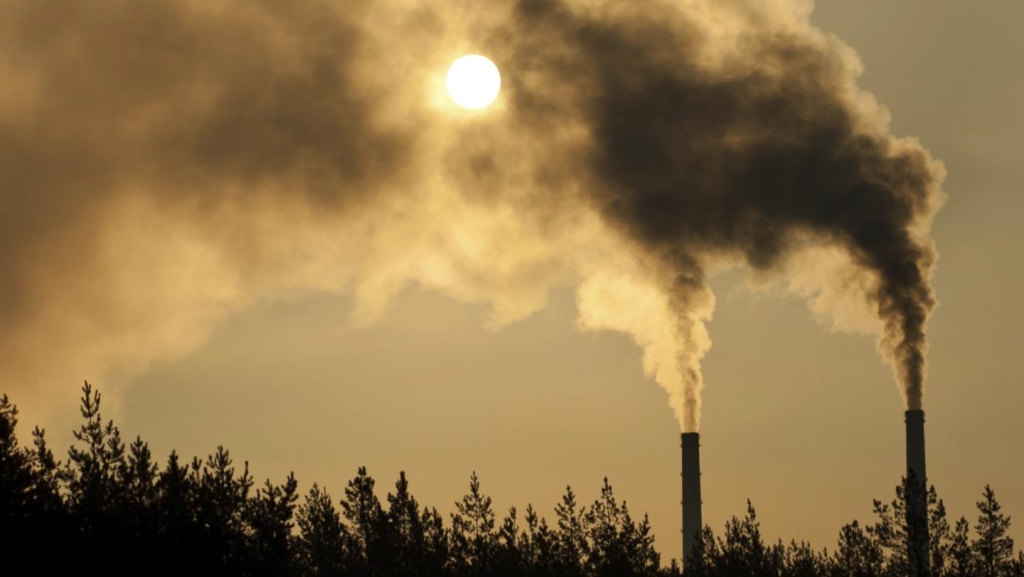
Over time, pollution has been increasing across the globe. Whether it is air pollution, land pollution, or noise pollution, each poses a serious threat to human health and the environment. However, land pollution is one of the most alarming forms of pollution because of its long-term and devastating consequences.
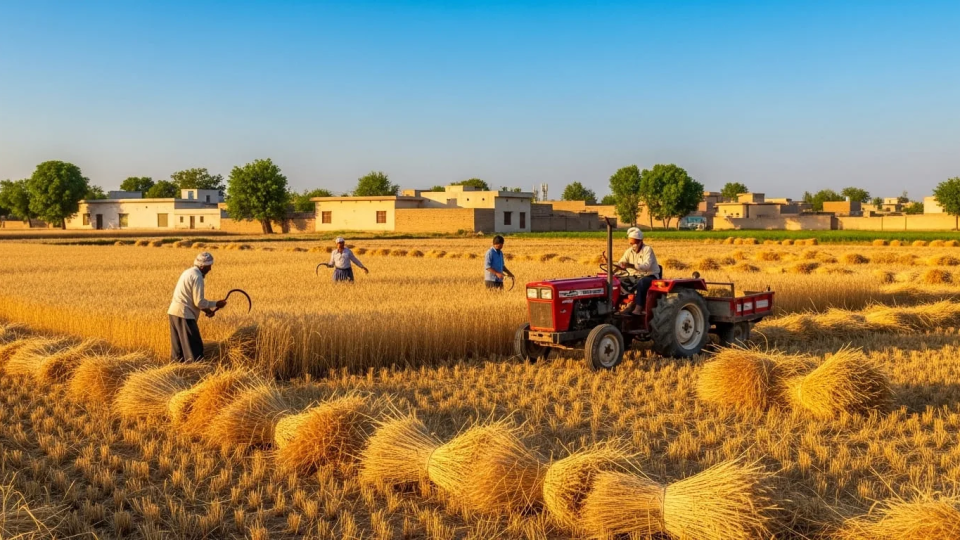
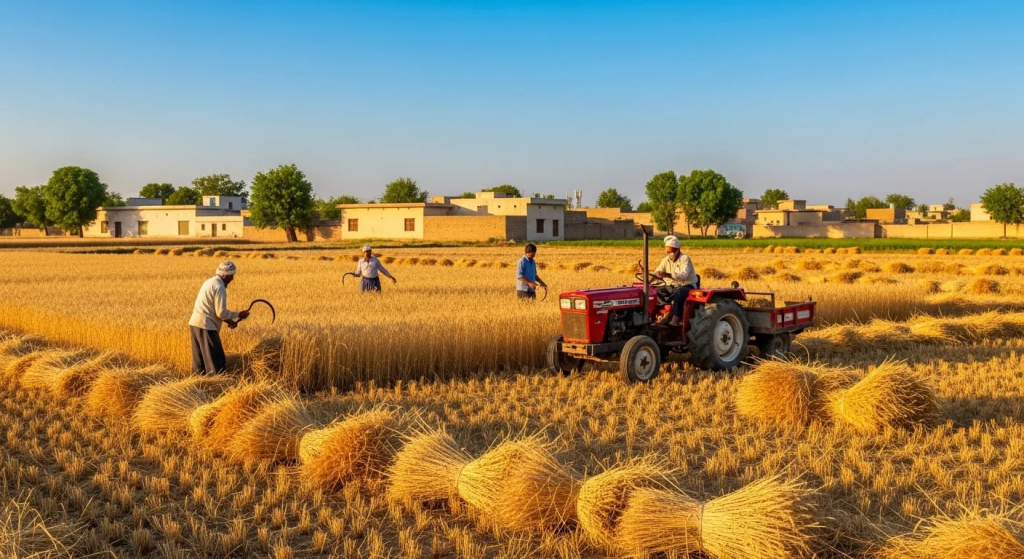
Many countries are struggling to address land pollution, but Pakistan has remained among the nations most severely affected by the issue. Large areas of land are covered with plastic waste and other hazardous materials that degrade soil quality, reduce agricultural productivity, and diminish the fertility of the land. Since agriculture is the major source of livelihood for millions of people, harmful agricultural practices like crop burning have a significant impact on land and air pollution.
The use of chemical fertilizers and pesticides is also one of the major concerns for pollution. Pakistan is one of the largest importers of agricultural chemicals. By contrast, India, our neighbouring country, has already taken preventive steps to provide more sustainable and safe agriculture by working predominantly on organic and eco-friendly fertilizers and encouraging its farmers to adopt more sustainable agricultural practices. Pakistan, however, has made little contribution to this effort. The recurring smog crisis is one of the most concerning consequences of not practicing eco-friendly agricultural methods. It affects millions of people every year and leads to numerous respiratory and lung-related illnesses. Therefore, the government should take preventive measures to promote sustainable agriculture and avoid the excessive use of harmful chemicals.
Air pollution is another critical environmental challenge. Carbon emissions play a major role in worsening air quality. When vehicles burn petrol and diesel, they release harmful pollutants and carcinogenic substances into the atmosphere. Humans and animals alike breathe this same poisonous air. Imagine what it does to our health—we breathe to live, yet the air we breathe is polluted.
To reduce air pollution, environmentally friendly transportation systems should be expanded. Although Pakistan has introduced some eco-friendly buses, we should invest in more buses in other cities to combat pollution. Moreover, public transport ought to be efficient, affordable, and accessible to everyone. One of the major reasons people do not travel by public transport is its lack of availability. It should be accessible so that citizens prefer to travel by public transport rather than in their personal vehicles. The government should also designate car-free days to reduce traffic congestion and carbon emissions.
Citizens should have more opportunities to walk safely. Unfortunately, in countries like Pakistan, people cannot freely walk on the roads because most roads are not safe for pedestrians. There are no proper pedestrian lanes or reliable traffic signal systems, making it dangerous to cross the road. In my opinion, it is very crucial for the government to construct pedestrian-friendly pathways and bicycle lanes. These measures would not only control pollution but also promote healthier lifestyles and safer communities.
Water pollution is also an emerging environmental issue that needs to be considered critically. Personally, I consider it just as important as any other form of pollution. Water pollution affects not only human beings but is also hazardous to marine life, which is especially disturbing because marine animals cannot protect themselves from its adverse effects. They cannot escape it; they have to live in it, where they develop numerous diseases. Meanwhile, we consume those fish and expect them to be nutritious, but the question is: what are we doing for them while expecting so much from them? Water operates in a continuous natural cycle, meaning that contaminated water eventually affects all living organisms.
Chemicals, plastics, mercury, and industrial waste frequently find their way into rivers, lakes, and oceans, causing widespread environmental damage. A modern concern associated with water pollution is the increasing use of skincare and cosmetic products. Many consumers purchase these products without considering their environmental impact. Certain chemicals, such as sodium lauryl sulphate, sodium benzoate, artificial fragrances, and other synthetic compounds, may contribute to environmental deterioration when discharged into water systems. Fortunately, several products, such as CoNaturals, are produced using more natural ingredients and fewer harsh chemicals. Traditional soaps can be made using basic ingredients such as sodium hydroxide and natural fats. However, many commercial products contain additional synthetic chemicals that may have harmful environmental consequences.
In this regard, the government should establish stricter environmental regulations and quality control standards for manufacturers. Regulatory authorities should ensure that companies minimize the use of environmentally harmful substances and adopt sustainable production practices.
Conclusively, pollution remains one of the greatest challenges facing modern society. All forms of pollution have a negative impact on public health, agriculture, and biodiversity. People should also act responsibly and actively participate in government campaigns to improve the effectiveness of these preventive measures. They should take care of their surroundings, conserve water, and use products that contain fewer harmful chemicals so that water does not become contaminated when these products are discharged into water bodies through drainage systems. They should also plant more trees in their homes. This would be an effective way to help combat pollution because harmful pollutants are absorbed by certain trees and plants, such as the snake plant, which helps purify the air. The government can also organise plantation campaigns to raise awareness of the importance of plants for the environment and general well-being.
Bibliography
Bhondi CA and others, ‘Human and Environmental Toxicity of Sodium Lauryl Sulphate (SLS): Evidence for Safe Household Cleaning Products’ (2015) Journal of Toxicology.
Food and Agriculture Organization, The State of the World’s Land and Water Resources for Food and Agriculture (FAO 2022).
United Nations Environment Programme, From Pollution to Solution: A Global Assessment of Marine Litter and Plastic Pollution (UNEP 2021).
United Nations Environment Programme, Turning Off the Tap: How the World Can End Plastic Pollution and Create a Circular Economy (UNEP 2023).
World Health Organization, WHO Global Air Quality Guidelines (WHO 2021).
The opinions expressed in this article are the author's own and do not reflect the views of LEAP Pakistan or Pakistan College of Law.