- Legal Education and Access Portal

Ukraine-Russia clash: MPs back martial law
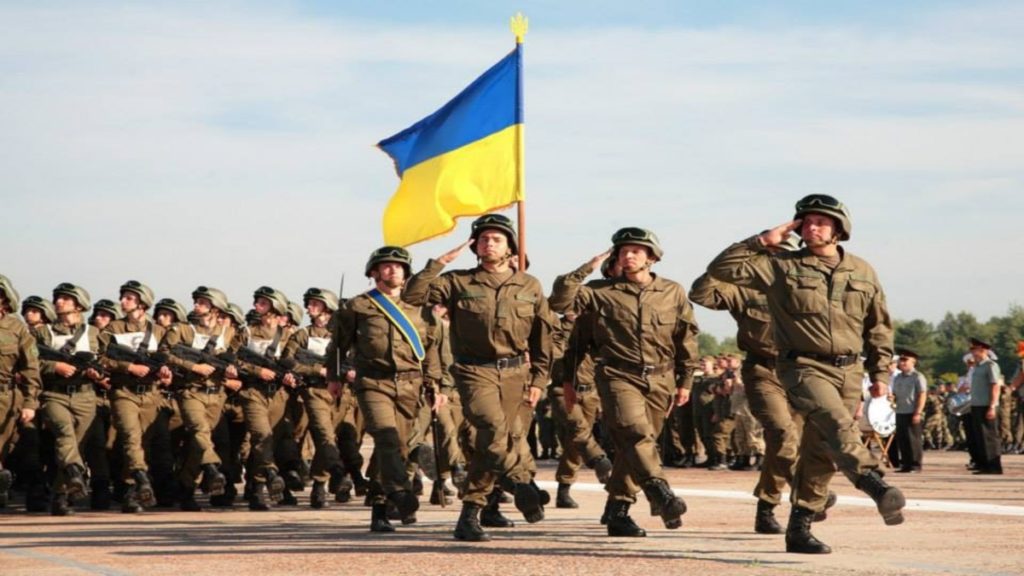
Ukraine has declared martial law in part of the country after Sunday’s capture of three of its naval vessels and 23 crew members by Russia.
Lawmakers backed President Petro Poroshenko’s request to introduce it in regions mostly bordering Russia for 30 days starting from 28 November.
The authorities can now restrict public rallies and regulate the media.
Some MPs expressed fears Mr Poroshenko could suspend a presidential poll on 31 March 2019 – a claim he firmly denied.
Sunday’s naval clash was off the coast of Crimea, annexed by Russia in 2014. Russian coastguard ships opened fire before special forces stormed the Ukrainian vessels. Between three and six Ukrainians were injured.
Ukraine said it was a Russian “act of aggression”. Moscow said the ships had illegally entered its waters.
The naval clash is the first time Russia and Ukraine have come into open conflict in recent years, although Ukrainian forces have been fighting Russian-backed separatists and Russian “volunteers” in the east since 2014.
A number of Western countries condemned Russia’s actions.
In New York, the United Nations Security Council met to discuss the crisis – but failed to agree a Russian-proposed agenda amid sharp disagreements between Moscow and the West.
What is the latest?
After heated debate in Ukraine’s parliament, 276 lawmakers voted in favour of martial law covering:
Five regions bordering Russian territory;
Two regions bordering Moldova’s breakaway Transdnistria region;
Three regions on the Black Sea/Sea of Azov coast;
Thirty lawmakers voted against the move.
Martial law will enter into force at 09:00 local time (07:00 GMT) on 28 November and will end on 27 December.
Source: BBC News
The opinions expressed in this article are the author's own and do not reflect the views of LEAP Pakistan or Pakistan College of Law.